
Mold growth can become a serious concern when moisture remains inside a home or commercial building. Although mold may begin in a damp corner, behind furniture, or beneath a leaking fixture, it can spread to other materials if the underlying moisture problem remains unresolved. Therefore, identifying the source of moisture and addressing affected areas promptly are essential steps toward restoring a property.For homeowners and business owners searching for the Best Mold Cleanup in Boca Raton, FL, choosing a suitable restoration service can make the cleanup process more organized and effective. Professional mold cleanup focuses on assessing the affected area, controlling contamination, removing damaged materials when necessary, and addressing the conditions that allowed mold to develop.
In Boca Raton, humid weather, heavy rainfall, plumbing leaks, and air-conditioning drainage problems can all contribute to unwanted moisture. Consequently, property owners should pay attention to musty odors, visible discoloration, recurring dampness, and signs of water damage.
EES Restoration provides restoration services for property damage, including mold-related concerns. By understanding the causes of mold growth and the steps involved in professional cleanup, property owners can make more informed decisions about protecting their buildings.
Whether you are dealing with a small area of visible mold or suspect hidden growth after a water leak, taking the right approach can help prevent recurring problems and support the recovery of your property.
Why Professional Mold Cleanup Matters in Boca Raton, FL
Mold can grow when moisture and suitable organic materials are present. For example, drywall, wood, ceiling materials, insulation, and some furnishings can support mold growth under favorable conditions. However, the extent of the problem depends on the moisture source, affected materials, and length of exposure.
Simply wiping away visible discoloration may not resolve the underlying issue. If moisture remains trapped inside a wall or beneath flooring, mold may return after the surface appears clean. Therefore, effective cleanup should address both the visible growth and the conditions contributing to it.
Professional assessment can help determine the extent of the affected area and whether moisture may have reached concealed building materials. Furthermore, trained restoration personnel can identify appropriate containment, removal, and cleaning procedures based on the situation.
Another important consideration is preventing the spread of mold-containing dust and debris during cleanup. Disturbing affected materials without suitable precautions can spread contamination into previously unaffected areas. Consequently, larger or more complex situations may require controlled work practices and specialized equipment.
For property owners, the goal is not merely to improve the appearance of a surface. Instead, the goal is to address the moisture problem, manage affected materials appropriately, and reduce the likelihood of recurring mold growth.
Common Causes of Mold Growth in Boca Raton Properties
South Florida’s climate makes moisture management particularly important. Although outdoor humidity cannot always be avoided, problems inside a property can often be reduced by identifying leaks, improving ventilation, and responding promptly to water intrusion.
Several common conditions can contribute to mold growth.
Plumbing leaks
A leaking pipe beneath a sink, behind a wall, or near a bathroom fixture can introduce moisture into surrounding materials. Furthermore, slow leaks may remain unnoticed until discoloration, odors, or surface deterioration appears.
Roof leaks and storm damage
Heavy rain can allow water to enter through damaged roofing, flashing, windows, or other vulnerable building components. Consequently, affected ceilings, insulation, and wall cavities may remain damp after the visible water has disappeared.
Air-conditioning and condensation problems
Air-conditioning systems remove moisture from indoor air. However, blocked condensate drains, inadequate drainage, or condensation on cool surfaces can create damp conditions that encourage mold growth.
Flooding and standing water
Water intrusion from storms, plumbing failures, or other incidents can affect flooring, drywall, furniture, and other materials. Therefore, prompt water removal and appropriate drying are important after a flooding event.
Poor ventilation
Bathrooms, laundry areas, and other moisture-producing spaces need suitable ventilation. Without adequate moisture control, condensation can accumulate and increase the likelihood of mold development.
Persistent indoor humidity
Even without a major leak, elevated indoor humidity can contribute to condensation and dampness. For this reason, maintaining appropriate indoor humidity and repairing moisture-related problems are important parts of long-term prevention.
Warning Signs That Your Property May Need Mold Cleanup
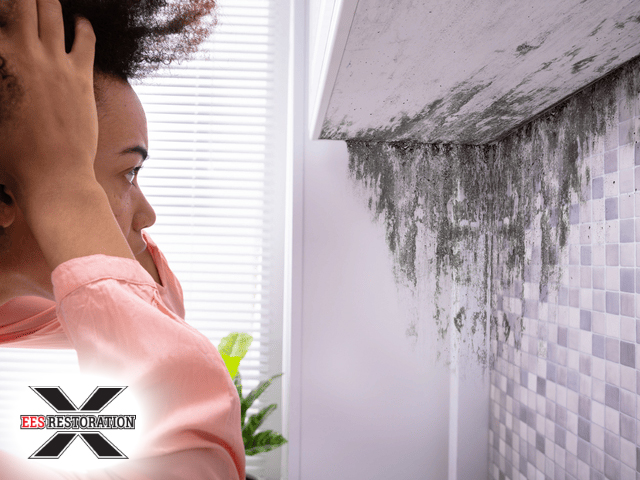
Mold is not always immediately visible. In some cases, it may develop behind cabinets, inside wall cavities, beneath flooring, or around building materials affected by a previous leak.
Recognizing warning signs early can help property owners decide when an inspection is appropriate.
- Musty odors: A persistent earthy or musty smell may indicate damp materials or possible hidden mold growth.
- Visible discoloration: Dark, greenish, brown, or other unusual patches on walls and ceilings may warrant further assessment.
- Peeling paint or bubbling finishes: These conditions can indicate moisture-related damage, although other causes are also possible.
- Recurring condensation: Repeated moisture on windows, walls, or other surfaces may point to a humidity or ventilation problem.
- Previous water damage: Areas affected by flooding, roof leaks, or plumbing failures may need additional attention if drying was incomplete.
- Soft or deteriorating materials: Swollen baseboards, damaged drywall, or warped flooring can indicate prolonged moisture exposure.
However, mold cannot always be identified accurately by color or appearance alone. Therefore, avoid assuming that every dark stain is mold or that a surface is safe simply because no discoloration is visible.
When signs persist, a professional assessment can help determine whether mold cleanup or additional moisture investigation is needed.
What Does Professional Mold Cleanup Involve?
The appropriate cleanup process depends on the size of the affected area, the materials involved, the source of moisture, and whether contamination may have spread into concealed spaces.
Nevertheless, effective restoration generally follows a structured approach.
Step 1: Inspect the affected areas
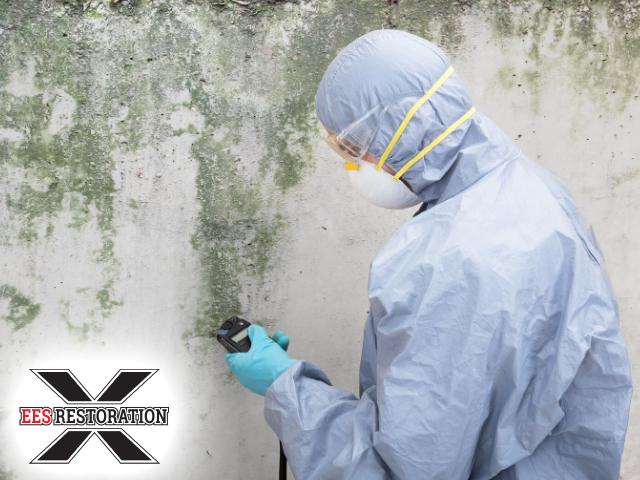
First, the property should be evaluated for visible mold, moisture damage, and potential sources of water intrusion. Depending on the circumstances, additional investigation may be needed to identify hidden dampness.
Step 2: Identify and address the moisture source
Next, the underlying moisture problem should be corrected. For example, a leaking pipe may need repair, or a roof opening may need to be addressed before restoration can be completed successfully.
Step 3: Establish appropriate containment
When necessary, affected areas may require containment to help prevent mold-containing dust and debris from spreading. The precautions used depend on the extent and location of the contamination.
Step 4: Remove or clean affected materials
Suitable materials may be cleaned, while porous materials that cannot be adequately restored may need removal. Furthermore, the chosen methods should be appropriate for the affected surface and the severity of the problem.
Step 5: Dry the affected area
Moisture removal and drying are essential because mold can return if damp conditions persist. Therefore, drying should continue as appropriate for the materials and the restoration plan.
Step 6: Complete the restoration
Finally, damaged materials may need repair or replacement after the affected area has been properly addressed. Depending on the situation, this may include drywall, insulation, flooring, or finishes.
Following a structured process helps ensure that cleanup addresses more than the visible symptoms of the problem.
Comparing Mold Cleanup Needs and Recommended Actions
Not every moisture-related issue requires the same response. The following table outlines common situations and practical next steps.
| Property concern | Potential underlying issue | Recommended action |
| Small patch of visible mold | Localized moisture or condensation | Identify the moisture source and determine whether the affected material can be safely cleaned |
| Mold after a plumbing leak | Damp drywall, cabinetry, or flooring | Repair the leak and assess the extent of moisture damage |
| Musty odor without visible growth | Possible hidden dampness or mold | Investigate the source of the odor and check areas with a history of water intrusion |
| Mold following flooding | Water-damaged porous materials | Arrange prompt assessment, water removal, drying, and appropriate cleanup |
| Mold on a ceiling | Roof leak, plumbing leak, or condensation | Identify and correct the moisture source before completing restoration |
| Repeated mold around windows | Condensation, leakage, or poor ventilation | Evaluate drainage, sealing, ventilation, and indoor humidity |
| Extensive or recurring mold | Persistent moisture or widespread contamination | Seek a professional assessment to determine the appropriate restoration scope |
Although this table provides general guidance, it cannot replace an on-site assessment. In particular, extensive contamination, contaminated floodwater, or mold involving heating and cooling systems may require specialized professional attention.
How Water Damage and Mold Problems Are Connected
Water damage and mold growth frequently occur together. When water enters a property, materials may remain damp long enough to support mold development. Consequently, the condition of the building after the initial water incident can be just as important as the visible damage.
For example, a ceiling leak may appear minor at first. However, if insulation and framing remain wet, hidden damage may develop even after the ceiling surface looks dry.
Similarly, flooding can affect several materials at once. Therefore, removing standing water alone may not be sufficient to restore the affected space.
EES Restoration provides water damage restoration services for property owners dealing with water-related damage. Addressing water intrusion and drying affected materials appropriately can help reduce conditions that encourage mold growth.
Additionally, homeowners should not delay investigating recurring leaks or unexplained dampness. The sooner the source is identified, the easier it may be to limit further damage.
Choosing the Best Mold Cleanup in Boca Raton, FL
Selecting a restoration provider requires careful consideration. Although cost matters, the scope of work, moisture assessment, cleanup procedures, and communication are also important.
Before choosing a service, consider the following factors.
Experience with moisture-related damage
Ask whether the provider handles mold cleanup and the associated water damage that may contribute to the problem. Understanding both concerns can help support a more complete restoration plan.
A clear assessment process
The provider should explain which areas require attention, whether concealed moisture may be present, and what additional investigation may be appropriate.
Appropriate cleanup procedures
Ask how affected materials will be handled and what precautions will be used to limit the spread of contamination. Moreover, the recommended process should reflect the property’s actual condition.
Attention to the underlying cause
Cleanup should not stop at removing visible mold. Therefore, confirm how the moisture source will be identified and whether separate plumbing, roofing, or building repairs are required.
Transparent estimates
Request a written estimate that explains the proposed work, materials, and any additional services. In addition, ask how unexpected damage discovered during cleanup will be handled.
Clear communication
A dependable restoration process should include an explanation of the work, expected schedule, and any steps the property owner must take before or during the project.
For more information about EES Restoration, visit the company’s about page to learn more about the business.
Mold Cleanup Mistakes Property Owners Should Avoid
Although a quick cleanup may seem appealing, certain mistakes can allow mold problems to persist or create additional concerns.
Painting over mold
Paint does not eliminate the underlying mold problem. Instead, affected materials should be evaluated, cleaned or removed as appropriate, and dried before refinishing.
Ignoring the moisture source
Mold can return when the conditions supporting its growth remain unchanged. Consequently, correcting leaks, condensation, and other moisture problems is essential.
Disturbing extensive mold without precautions
Scrubbing, sanding, or removing contaminated materials without appropriate controls may spread mold-containing particles. Therefore, larger or more complex areas should be assessed by qualified professionals.
Using bleach as a universal solution
Bleach is not a universal remedy for mold on every building material. In particular, cleaning a surface does not necessarily address mold within porous materials or correct moisture behind the surface.
Assuming hidden areas are dry
A room may appear dry while moisture remains trapped in insulation, flooring, or wall cavities. As a result, appropriate moisture assessment may be needed after a leak or flooding incident.
Delaying action after water damage
Waiting too long to address wet materials can increase the likelihood of further damage. Therefore, prompt water removal, drying, and assessment are important after water intrusion.
How to Help Prevent Mold from Returning
Once mold cleanup is complete, prevention becomes an important part of protecting the property. Although no prevention plan can eliminate every risk, good moisture management can make the indoor environment less favorable for mold growth.
First, repair plumbing leaks as soon as they are identified. Likewise, inspect roofs, windows, and other vulnerable areas for signs of water intrusion, especially after severe weather.
Next, maintain suitable indoor humidity. Air-conditioning and dehumidification may help, depending on the property’s conditions. The U.S. Environmental Protection Agency generally recommends keeping indoor relative humidity below 60%, ideally between 30% and 50% where practical.
Additionally, use exhaust ventilation in bathrooms and other moisture-producing areas. Make sure air-conditioning condensate drains remain clear and that condensation problems are addressed rather than repeatedly wiped away.
After a spill, leak, or flooding incident, remove water and dry affected materials promptly. Furthermore, pay attention to areas behind appliances, beneath sinks, and around windows where moisture can remain unnoticed.
Finally, investigate persistent musty odors or recurring stains instead of covering them with paint or air fresheners. By addressing the cause rather than just the symptoms, property owners can reduce the risk of another mold problem.
Restoration Services for Different Types of Property Damage
Mold may develop after a plumbing leak, storm-related water intrusion, or another incident that leaves building materials damp. However, properties can also experience multiple forms of damage at the same time.
For example, a fire incident may be followed by water damage from firefighting efforts. Depending on the circumstances, the property may need coordinated cleanup and restoration rather than a single isolated service.
EES Restoration offers a range of property restoration services for different damage-related situations.
In addition, properties affected by a fire may require specialized fire damage restoration to address the effects of smoke, soot, and fire-related damage. The appropriate service depends on the incident and the condition of the building.
By identifying the type and extent of damage, property owners can discuss the restoration requirements more clearly and determine which work should be completed first.
Frequently Asked Questions About Mold Cleanup in Boca Raton, FL
1. What is the best way to handle mold in a Boca Raton home?
The best approach is to identify the moisture source, assess the affected materials, and choose an appropriate cleanup method. Small, limited areas may be manageable under suitable conditions, while extensive mold, recurring contamination, or hidden damage may require professional assistance.
2. How quickly should mold cleanup begin after water damage?
Water damage should be addressed as soon as possible. Prompt water removal, drying, and assessment help reduce the time materials remain damp. If mold is already visible or a musty odor develops, arrange an appropriate assessment rather than waiting for the problem to spread.
3. Can mold grow behind walls or beneath flooring?
Yes. Mold can develop on damp materials inside wall cavities, beneath flooring, behind cabinets, and in other concealed locations. Therefore, visible surfaces may not reveal the full extent of a moisture problem.
4. Does painting over mold solve the problem?
No. Paint does not eliminate mold or correct the moisture conditions that allow it to grow. The affected material should be appropriately cleaned or removed, and the underlying moisture problem should be resolved before refinishing.
5. What causes mold to return after cleanup?
Mold may return if moisture remains, the original leak was not repaired, or affected materials were not adequately addressed. Consequently, identifying and correcting the underlying cause is essential for long-term prevention.
6. How do I contact EES Restoration for mold cleanup?
You can use the EES Restoration contact page to find the company’s available contact options. Explain the location of the suspected mold, any recent water damage, and whether the issue has returned after previous cleanup.
Restore Your Property with Professional Mold Cleanup
Mold problems can affect the appearance and condition of a property, particularly when moisture remains hidden behind walls, beneath flooring, or inside other building materials. Nevertheless, prompt assessment, appropriate cleanup, and effective moisture control can help address the problem more thoroughly.
For homeowners and businesses searching for the Best Mold Cleanup in Boca Raton, FL, the most important considerations include identifying the moisture source, understanding the extent of the damage, and selecting a restoration approach suited to the property.
EES Restoration offers restoration services for mold-related and other property damage concerns. Furthermore, addressing water intrusion and correcting the underlying conditions can help reduce the risk of recurring mold growth.
Rather than covering stains or ignoring persistent musty odors, investigate the cause and determine what needs to be repaired. With a practical restoration plan and ongoing moisture management, you can take meaningful steps toward restoring your property’s condition and protecting it from future moisture-related problems.
To discuss your restoration needs, visit EES Restoration’s contact page and ask about the appropriate next steps for your property.